Opening the Tricks of Effective Event Planning for Memorable Knowledge
Effective event planning calls for a tactical technique that surpasses plain logistics. It entails a mindful factor to consider of goals, audience, and themes. Planners need to concentrate on producing customized experiences that involve guests and foster connections. The path to accomplishing memorable occasions is typically filled with obstacles. Recognizing the nuances of efficient planning can expose the potential for truly impactful events. What are the crucial elements that make an event memorable?
Defining Your Event Goals and Goals
Quality is vital when defining event goals and objectives, as it sets the structure for a successful planning process. By articulating specific goals, event planners can develop a clear instructions and warranty that all initiatives straighten with the wanted results. Goals need to be measurable and attainable, making it possible for organizers to track development and assess success efficiently.
Determining the overarching objective of the event, whether it is to inform, captivate, or promote, plays a significant role in forming each choice made throughout the drawing board. Stakeholders must be entailed in this first interpretation stage to gather diverse point of views and cultivate a feeling of possession.
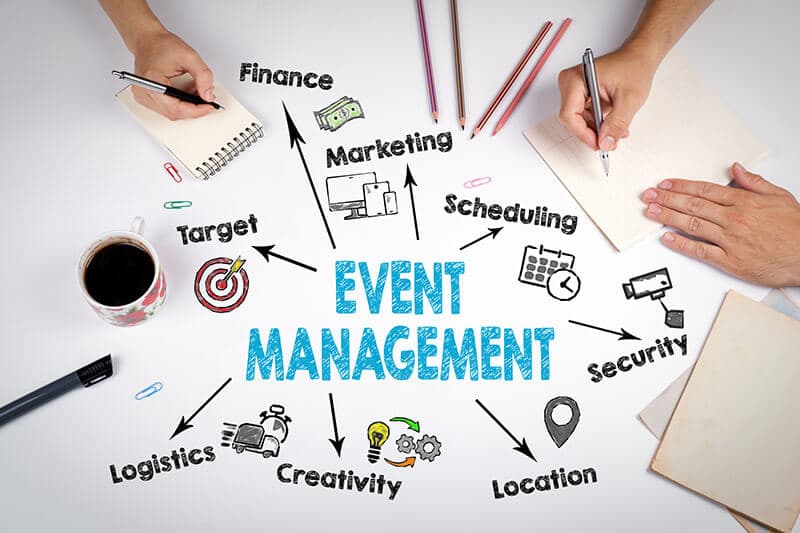
Understanding Your Target market
Understanding the target market is vital for effective event planning. This includes identifying target demographics and analyzing their choices to tailor the event experience. By gaining understanding into the audience's qualities and interests, planners can create more pertinent and appealing events.
Identifying Target Demographics
Just how can event organizers ensure their celebrations reverberate with participants? Determining target demographics is essential for crafting unforgettable experiences - event planning companies charlotte nc. Effective planners begin by performing complete research to comprehend the age, passions, and choices of their audience. This includes analyzing variables such as geographic location, cultural histories, and socioeconomic standing. By segmenting possible participants into unique groups, coordinators can customize event components, including locations, tasks, and themes, to align with particular market attributes. Involving with possible participants via studies or social media can offer important insights into their expectations. Ultimately, this targeted strategy allows event organizers to develop tailored experiences that cultivate link and involvement, making certain that celebrations not just satisfy however exceed the desires of their audience
Analyzing Target Market Preferences
As soon as target demographics are determined, the next step entails assessing target market preferences to create a truly interesting event experience. Comprehending what resonates with the audience is crucial for customizing content, activities, and total atmosphere. This procedure can be attained via studies, social media sites insights, and previous event comments, which provide valuable data on expectations, choices, and passions. Event coordinators ought to focus on crucial elements such as recommended themes, possible speakers, and desired networking chances. In addition, watching on arising patterns can assist in expecting audience demands. By leveraging this information, organizers can design events that not just bring in attendees but likewise encourage active involvement, making sure a memorable experience that lines up with target market desires.
Crafting a Special Theme and Atmosphere
To create a memorable event, coordinators should initially define the event's function, as this fundamental step shapes the general experience. Aesthetic communication plays an important function in developing a motif that reverberates with guests, making each element of the decoration work harmoniously. Involving all detects even more improves the atmosphere, ensuring that guests have an immersive experience that sticks around long after the event wraps up.
Defining Your Event's Objective
While lots of event coordinators concentrate on logistics and guest lists, defining the event's purpose is important for crafting an one-of-a-kind style and atmosphere. Establishing a clear purpose allows coordinators to line up all components of the event, from decor to tasks, with a cohesive vision. This clarity assists in choosing a theme that resonates with participants, ensuring that the experience is both memorable and engaging. A business retreat may highlight synergy and technology, while a wedding event may focus on love and celebration. By thoughtfully considering the event's intent, planners can create an environment that not just records the significance of the event but likewise cultivates meaningful links amongst visitors, enhancing the general experience.
Developing Visual Cohesion
Developing visual communication is important for transforming an event into an unforgettable experience, as it joins various elements under a solitary, engaging theme. This process starts with a clear vision that guides the choice of colors, style, and products. Each element should reflect the overarching style, whether it be a rustic wedding celebration or a business gala. Focus to detail, such as matching table setups and signs, strengthens this unity. Lighting plays a crucial duty, enhancing the environment and highlighting essential areas. Furthermore, integrating constant branding components, such as taglines and logo designs, strengthens the motif while developing go to the website an expert touch. Eventually, visual communication not just her response captivates participants but also promotes a feeling of belonging and involvement throughout the event.
Engaging All Detects
Engaging all detects is important for crafting a special motif and environment that reverberates with guests. Successful event planners identify that including visual, auditory, olfactory, tactile, and gustatory components develops an all natural experience. Thoughtful design establishes the visual tone, while thoroughly curated music adds an auditory layer, enhancing the emotional environment. Aromas, whether from floral setups or food terminals, evoke memories and promote discussion. Responsive experiences, such as interactive setups or textured materials, invite guests to engage literally with the setting. Lastly, offering distinct food and beverage selections can entice palate, leaving a lasting impact. By thinking about each feeling, event coordinators can produce extraordinary experiences that deeply get in touch with attendees, making sure that the event remains memorable long after it ends.
Handling Logistics and Budgeting
Reliable event planning rests on the mindful monitoring of logistics and budgeting, as these elements are fundamental for ensuring a seamless experience. A successful event requires thorough focus to detail in coordinating transportation, place choice, and needed equipment. Organizers should assess the demands of the event and create a complete list to handle timelines properly.
Budgeting plays a considerable role in establishing the extent of the event. It involves not just alloting funds for each aspect however likewise setting and expecting prospective expenditures aside contingencies. By focusing on investing, organizers can make enlightened choices on where to invest, whether in one-of-a-kind venues or top quality vendors.

Engaging Visitors Throughout the Event
Just how can event organizers ensure that guests remain astounded and included throughout the duration of an event? Involving guests requires a thoughtful blend of interactive elements, amusement, and personal links. Effective event coordinators incorporate activities that motivate engagement, such as live surveys, Q&A sessions, or hands-on workshops.
In addition, developing a dynamic atmosphere with music, visual screens, or themed design can improve the general experience. Providing opportunities for networking and social interaction cultivates links among my latest blog post participants, making them really feel much more bought the event.
Calculated use of modern technology, like event apps or social media assimilation, can keep visitors informed and engaged. Planning shock components, such as guest speakers or home entertainment intermissions, can likewise record interest and maintain excitement. Inevitably, the crucial lies in stabilizing structure with spontaneity, making sure that guests really feel both delighted and engaged throughout the event.
Reviewing Success and Gathering Comments
What approaches can event planners use to examine the success of their events and collect useful feedback? Organizers typically make use of questionnaires and surveys distributed quickly after the event to capture guests' perceptions. These devices can be tailored to evaluate satisfaction levels pertaining to various elements, such as location, speakers, and general experience.
In addition, organizers may conduct interviews or emphasis teams with choose participants for even more comprehensive understandings. Social media site surveillance also offers a real-time picture of participants' sentiments, as guests typically share their experiences online.
Analyzing attendance numbers and engagement metrics can further highlight areas of success and those needing enhancement. Lastly, evaluating the event's objectives against real results enables coordinators to recognize voids and successes, informing future occasions. By utilizing a mix of these techniques, event coordinators can gather extensive comments to enhance future gatherings.

Regularly Asked Inquiries
Just how Do I Select the Right Venue for My Event?
Picking the best venue includes assessing ability, area, ease of access, amenities, and setting. Furthermore, taking into consideration budget plan constraints and the event's objective assures an appropriate setting that satisfies attendees' demands and enhances the total experience.
What Should I Include in an Event Planning Timeline?
An occasion planning timeline ought to consist of essential landmarks, due dates for vendor bookings, spending plan evaluations, place confirmations, advertising and marketing routines, staffing setups, and a list for day-of logistics to assure a smooth execution of the event.
Exactly How Can I Effectively Advertise My Event?
To properly promote an occasion, one ought to make use of social networks systems, engage regional influencers, create captivating visuals, offer early riser tickets, and keep consistent interaction through newsletters and targeted ads to get to a broader audience.
What Are Some Tips for Taking Care Of Final Changes?
To handle final changes efficiently, one need to maintain clear communication with all stakeholders, prioritize tasks, stay versatile, and have backup strategies all set (event planning companies charlotte nc). Flexibility and a tranquil disposition can considerably lower stress and anxiety throughout unanticipated situations
How Do I Handle Difficult Guests During the Event?

To produce a remarkable event, organizers should initially define the event's function, as this foundational step shapes the general experience. While lots of event coordinators focus on logistics and guest lists, defining the event's purpose is necessary for crafting a distinct theme and atmosphere. Effective event organizers acknowledge that integrating visual, auditory, olfactory, responsive, and gustatory components develops an all natural experience. Just how can event organizers ensure that guests remain astounded and entailed throughout the duration of an event? Evaluating the event's goals against actual end results enables planners to recognize successes and spaces, informing future events.
Comments on “Hiring the right event planning companies charlotte nc for your specific needs”